
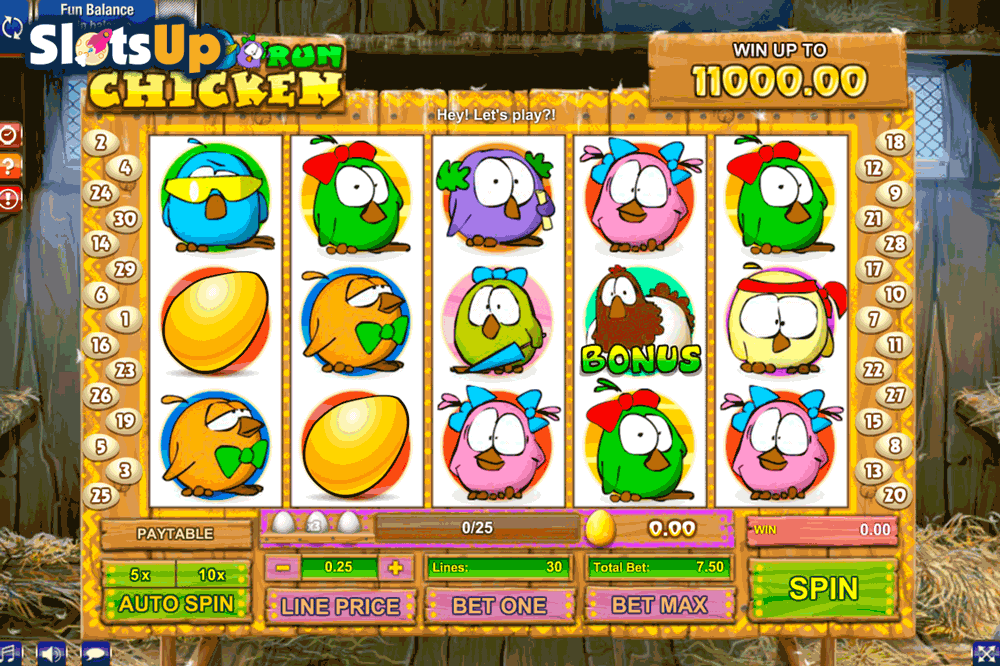
In the busy world of UK automotive repair, where every minute of a bay being idle represents lost revenue, we recognise that maximizing productivity is paramount. The unexpected downtime caused by a malfunctioning slot chicken run email verification machine can be a substantial, yet often overlooked, drain on a tyre shop’s operations. While it might seem like a basic piece of entertainment for waiting customers, its failure can impact customer satisfaction and staff morale during quiet periods. This article provides a comprehensive, practical guide for UK-based tyre shop owners and managers on maintaining their Chicken Run Slot units. We will assess common issues, from mechanical jams to software glitches, and offer step-by-step solutions to minimise disruption, ensuring your machine remains a reliable source of amusement and a subtle contributor to your business’s atmosphere, rather than becoming a frustrating burden on your workshop’s efficiency.
FAQ
How often should I arrange for my Chicken Run Slot professionally serviced within the United Kingdom?
We advise a full professional service at least once a year. A qualified engineer will perform a deep clean, check internal components for wear, confirm the Random Number Generator’s integrity for compliance, and test all electronic systems. For high-traffic shops, think about bi-annual servicing to swap out early commonly worn parts like microswitches and secure optimal, uninterrupted operation for your customers.
Is it possible to use any coins in the machine, or does the machine need specific tokens?
UK-based amusement machines like the Chicken Run Slot are usually set up to accept specific coins (like 10p or £1) or proprietary tokens sourced from the machine’s operator or service company. Using incorrect coins will lead to immediate jams and harm the coin mechanism. Always look at the machine’s fascia for accepted currency and utilise only what is specified to prevent unnecessary downtime and repair costs.
The screen has frozen but the lights are on. What’s the first thing I should do?
The first and simplest step is a controlled reboot. Securely turn off the machine at its main power switch or unplug it from the wall socket. Wait for a full 60 seconds to enable all capacitors to discharge and the software to reset completely. Then, restore power. This often clears temporary software glitches resulting from power spikes or overheating, bringing back normal function without further intervention.
Is it lawful for my tyre shop to have a prize-dispensing slot machine?
Yes, as long as it is correctly categorised and compliant. In the UK, such machines are normally labelled as “Amusement with Prizes” (AWP) or “Low-Stake Gaming” machines. They need to be placed in licensed premises or registered Family Entertainment Centres, feature maximum stake and prize values set by law, and hold a valid technical certificate from an approved body. Always make sure your supplier provides full compliance documentation.
Comprehending the Chicken Run Slot System
Before diving into troubleshooting, we have to grasp the fundamental mechanics of a typical Chicken Run Slot cabinet. Essentially, it’s a coin-operated electro-mechanical game where players place a coin, activate a lever or push a button, and watch three reels decorated with chicken-themed symbols spin. The result is decided by a Random Number Generator (RNG) software module, but the physical stopping of the reels is controlled by a series of solenoids or stepper motors. In the UK, these machines are frequently set to ‘amusement with prizes’ (AWP) specifications, indicating payouts are in tokens or tickets exchangeable for small prizes, not cash. The cabinet holds a power supply unit, a main logic board, the reel mechanisms, a coin acceptor, and a prize dispenser. Understanding these core components is the primary step in successful maintenance, as issues can arise from basic physical obstructions, electronic failures, or calibration drift in any single of these systems.
Improving Location for Extended Reliability
The physical placement of your Chicken Run Slot within your UK tyre shop can significantly impact its upkeep needs and longevity. We advise positioning it away from direct workshop activity to minimise dust ingress. Steer clear of placing it near the main entrance where temperature fluctuations and dampness from wet tyres and shoes are prevalent, as moisture is a prime enemy of electronic circuits. Ensure it’s on a stable, level floor surface to prevent internal mechanisms from being under constant stress. The location should also have a steady mains power supply; consider using a dedicated surge protector to shield against voltage spikes from nearby heavy equipment like tyre balancers or compressors starting up. Good placement lessens the frequency of deep cleans and protects sensitive electronics, directly converting to less downtime and lower long-term maintenance costs for your business.
Key Weekly Maintenance Checklist
Preventive maintenance is far less costly than reactive repair. We advise implementing a straightforward weekly checklist to ensure your Chicken Run Slot working smoothly. This routine should be carried out during a quiet period, ideally by a designated staff member. The objective is to prevent the common issues we’ve identified before they develop into major downtime. This ongoing care not only increases the lifespan of your machine but also ensures it always presents a neat, inviting face to your customers. A well-maintained machine shows positively on your entire tyre shop’s reputation for precision. Here is a helpful list of tasks that should be completed every seven days.
- Exterior Clean: Clean the cabinet, screen, lever, and button with a moist, soft cloth. Avoid harsh chemicals.
- Coin & Prize Vents: Check and clear any obvious blockages from the coin slot and prize dispenser outlet.
- Airflow Check: Confirm the machine’s rear and side ventilation grilles are clear of dust and obstructions.
- Function Test: Use a coin (or use service mode) for a few test plays to verify smooth lever action, reel spin, and prize dispensing.
- Cabinet Stability: Check the machine is level and stable on the floor, stopping internal component strain.
Frequent Sources of Outages in UK Shops
Based on our review of common failure patterns in the UK environment, tyre shop Chicken Run Slot machines face particular challenges. The workshop environment is often loaded with airborne debris like brake dust and rubber particles, which can penetrate the cabinet and obstruct sensitive components. The coin mechanism is a regular culprit; worn or dirty coin paths cause misreads and jams. Similarly, the ticket or token dispenser can suffer from paper jams or mechanical wear. Power fluctuations, common in industrial units, can upset the logic board, requiring a reboot. Physical wear on the lever mechanism or button microswitches from constant use will eventually lead to unresponsive controls. Furthermore, we often see software errors or frozen screens resulting from overheating if the machine’s internal fans are blocked by accumulated dust. Understanding these common issues allows for proactive maintenance schedules.
Systematic Troubleshooting for a Stuck Machine
When your Chicken Run Slot grinds to a halt with a coin jam or locked reels, keep your cool. We can often solve this without a expensive engineer call-out. First, securely disconnect the machine from the mains power. This is essential for safety. Identify the service key, which is typically held by the manager, and open the front or side service panel. Inside, you’ll see the coin mech assembly and the prize dispenser. For a coin jam, carefully follow the coin path, looking for the stuck coin; you can usually gently free it with a non-metallic tool. For a ticket jam in the dispenser, access that module and take out the torn paper. Next, inspect the reel windows for any external objects. After eliminating the obstruction, switch the machine back on. It will likely undergo a reboot cycle. Try it with a single coin. If the jam continues, the issue may be a faulty component within the mechanism.
When to Call a Professional Engineer
While many issues are user-serviceable, there are clear signs that professional intervention is necessary. If, after a basic clear-out and reboot, the machine shows recurring error codes on its digital readout (if equipped), fails to power on completely, or has clearly damaged components like a cracked reel or burnt smell, it’s time to call a specialist. In the UK, you should contact a certified amusement machine engineer who is versed in AWP compliance standards. They will have the equipment and software to identify faults in the logic board, adjust the RNG for fair play, and install certified parts like the coin mech or power supply. Undertaking complex electronic repairs without training can nullify warranties and risk breaching the machine’s operational certificate. A professional service assures your machine remains legal, safe, and reliable for customer use.